
Most aluminium plants have made real progress on emissions. Grid energy, smelting efficiency, recycled content; the big levers get attention. What often gets overlooked is the fleet of vehicles running through potrooms and logistics areas every single shift. That is where the diesel is still consumed.
Fuel combustion: the near-term lever nobody talks about enough
The International Aluminium Institute puts direct emissions from fuel combustion at roughly 15 percent of total industry greenhouse gas output. Not a marginal number. The contributing mobile equipment could be switched out today, without a grid upgrade or process redesign.
This is not about meeting a compliance target. It is about identifying the part of the emission footprint that is genuinely actionable in the short term and acting on it before the pressure is external. Future objectives on fossil fuel reduction often start today considering the average lifespan of equipment.
The cost argument is more straightforward than it looks
Running a battery-electric vehicle costs around 75 to 80 percent less in energy per operating hour than a diesel equivalent, based on current industrial electricity and diesel price ranges. That gap has been widening.
Maintenance tells a similar story. Fewer moving parts, oil changes almost eliminated, no fuel system servicing. Considering the extended maintenance intervals of electrical vehicles, appart from parts the labour costs for maintaince over a comparable period run at roughly half those of diesel. The difference is not just the number. It is predictability. Electric drivetrains fail less unexpectedly. Maintenance that fits the production calendar does not interrupt it.
Put those together across a fleet of ten or fifteen vehicles over the lifetime of the equipment, and the numbers stop being theoretical.
What actually changes on the floor
What actually changes on the floor
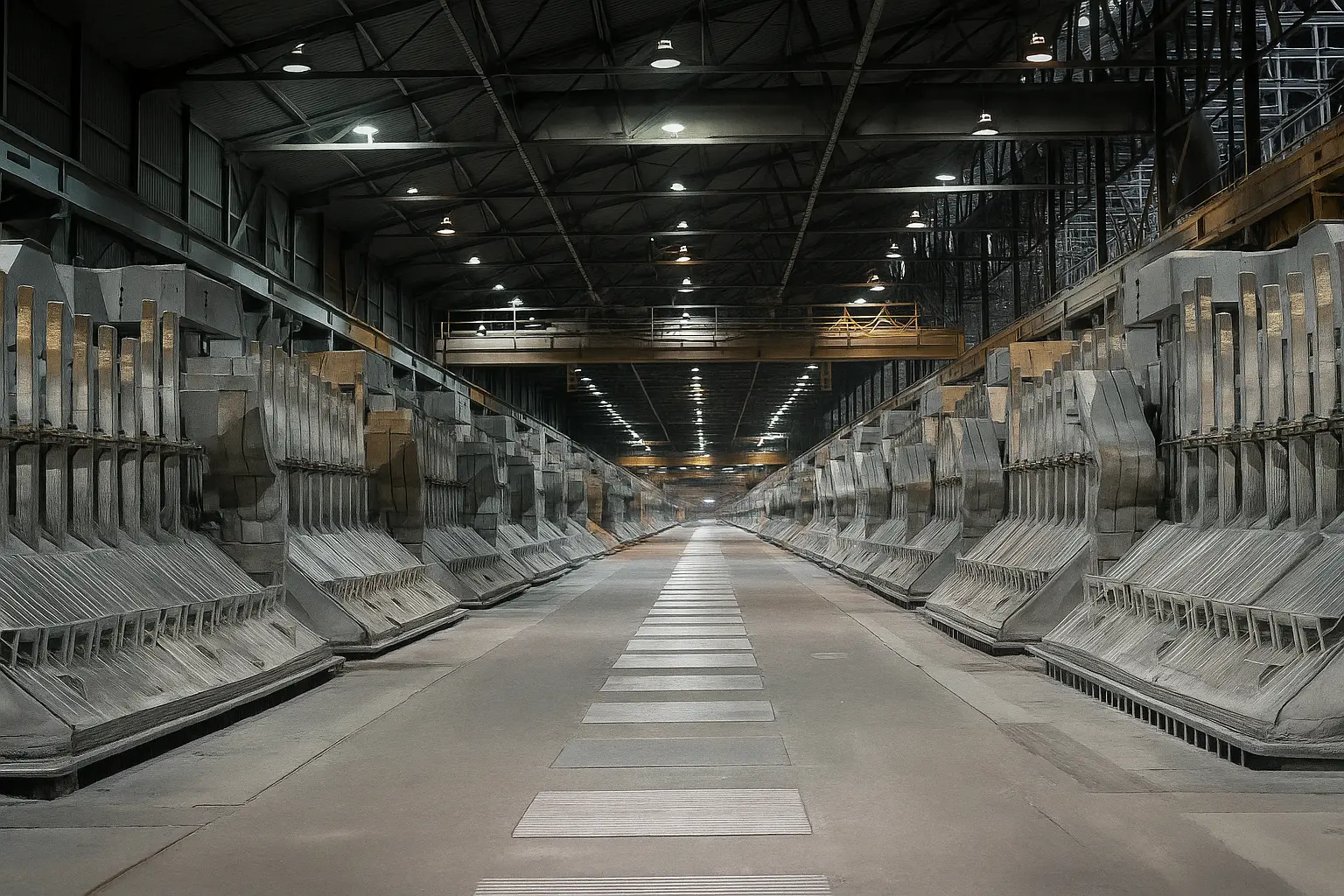
The first shift with a battery-electric vehicle is quieter. Operators are less exposed to stress factors with a significant reduction in noise, vibrations and smoother operation of the equipment. . No exhaust in enclosed areas, no combustion engine idling between loads.
In potroom environments, where heat and dust are already significant, removing diesel from the equation matters more than the numbers suggest. Operators notice it within days. And for plants moving toward automation in those same zones, switching to electrical vehicles become closer to a suitable driveline for future AGV objectives. .
On regulation: real, but the wrong reason to act
Carbon pricing, border adjustments on traded aluminium, supply chain reporting; the trajectory is consistent across most major markets. Plants that have reduced their direct emission footprint will be better positioned as the regulatory floor rises. That is genuine.
But leading with compliance tends to produce worse implementation decisions. The plants making the most effective transitions treat this as an operational choice. Regulation is the tailwind. The underlying logic is cost, uptime and working conditions.
What a realistic investment looks like
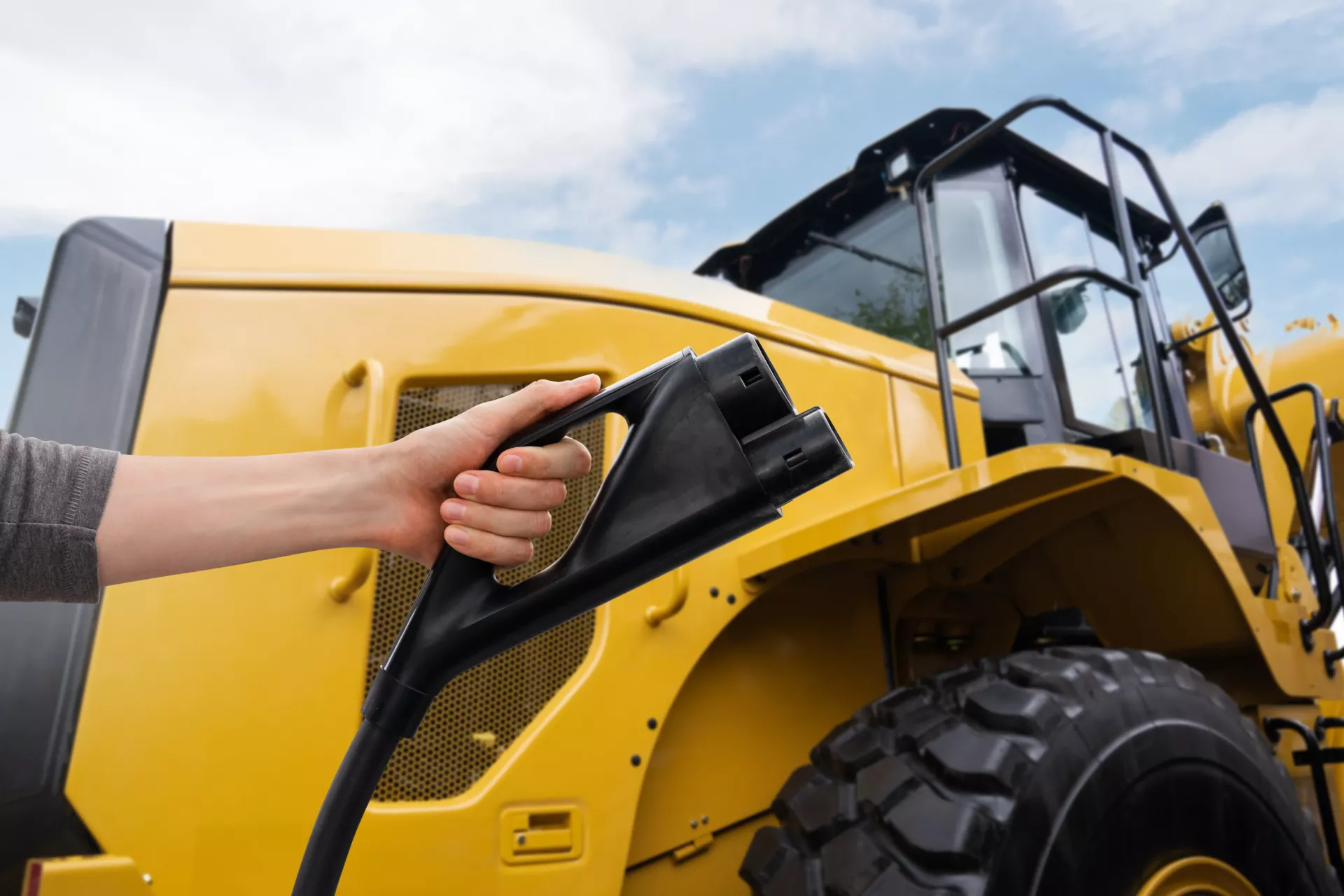
Across comparable duty cycles, a single electric vehicle replacing a diesel equivalent typically reaches return on investment within three to five years. That covers energy, maintenance, energy consumption and capital. It does not include the the more challenging to quantify improved working conditions, or avoided carbon cost exposure going forward.
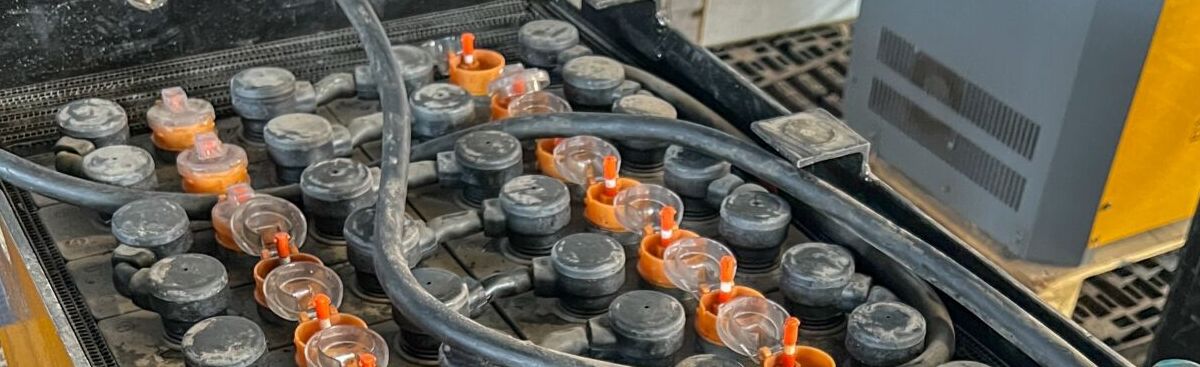
For leadership teams setting capital priorities, that is a usable starting point. The harder questions tend to come next: battery chemistry for harsh environments, charging infrastructure for smelter layouts, safety frameworks for high-voltage systems in magnetic fields, and how to manage the transition without disrupting production. These are relevant technical challenges that are no longer unanswered, we can now say it’s available technology throughout the global industry with great success cases.
That is what the whitepaper works through.
Worth downloading if the conversation in your plant is already starting.
Download the white paper
Want to learn more about how electrification can transform the aluminum industry? Download our whitepaper today and gain access to detailed insights that can help your business make informed decisions for the future.
