
Safety is always the top priority in the aluminum industry. With the demanding environments, high temperatures and heavy equipment, minimizing accidents is essential. Autonomous Guided Vehicles (AGVs) offer the opportunity to make the workplace safer by keeping people out of danger zones. This blog explains how AGVs can enhance safety within the aluminum industry.
The Challenges of Safety in the Aluminum Industry
In the aluminum industry, workers are often exposed to extreme conditions. Potrooms, smelting furnaces, and the transportation of heavy materials in mixed traffic areas all pose risks that can lead to accidents. The working environment is tough due to high temperatures, electromagnetic fields (EMF), and dust, which makes traditional transport methods challenging for operators too.
AGVs as a Safety Solution
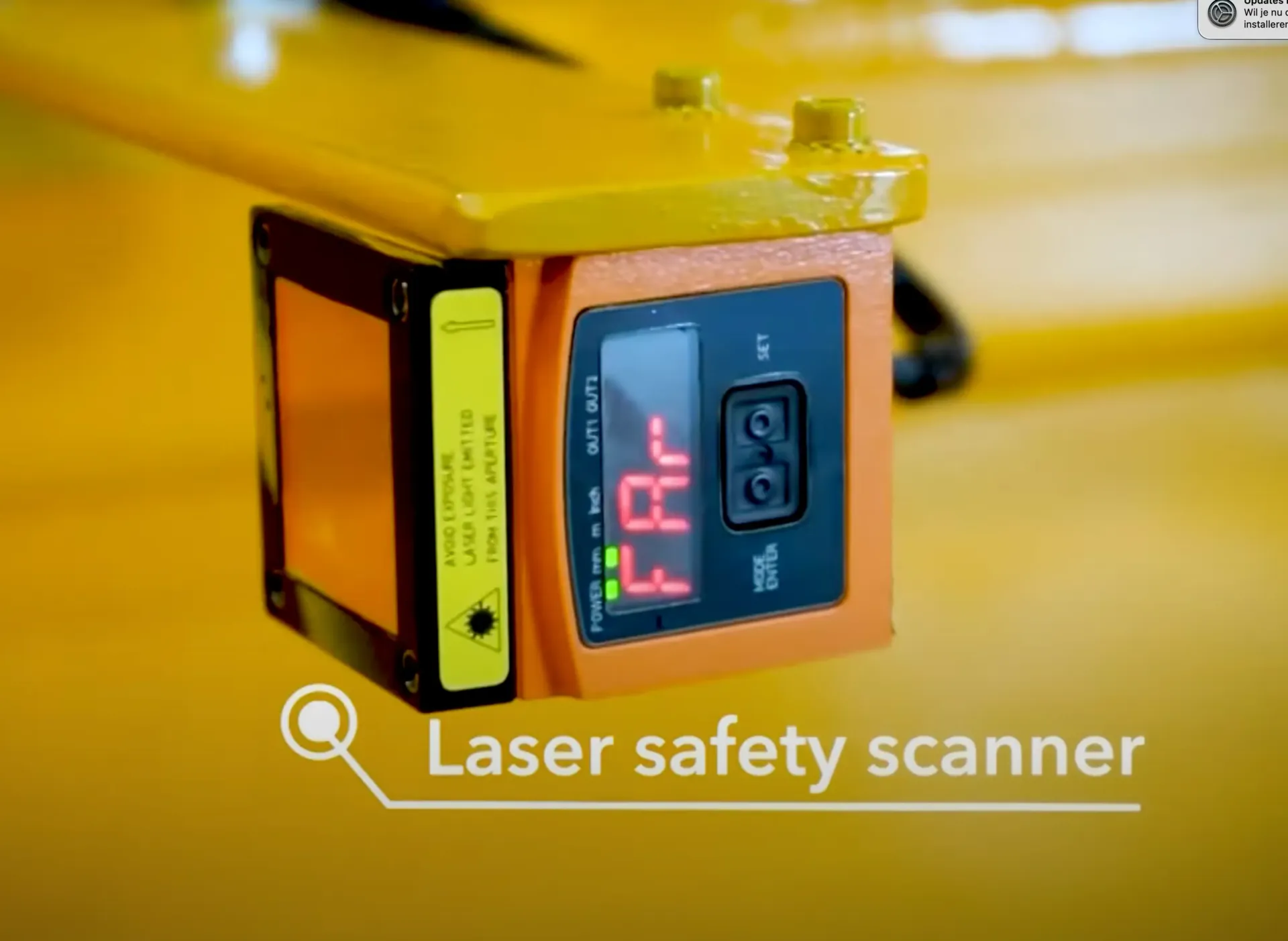
AGVs help address these challenges by reducing the number of people in these tough working environments. AGVs can autonomously navigate, move loads, and automate transportation, all while being continuously monitored by sensors to get through the challenging mixed traffic situations. When an operator or vehicle approaches too close, the AGVs automatically stop, significantly reducing the risk of accidents. With Lidar technology the AGV can determine alternative routing around the obstruction, ensuring adaptive routing and operational continuity.
Integration with MES for Safer Operations
Integration with MES for Safer Operations
The true power of AGVs is realized when they are integrated with existing systems, such as the Manufacturing Execution System (MES). This allows AGVs to communicate with other systems, synchronize production, and assign tasks automatically and safely. This integration ensures that the right vehicles follow the right routes at the right times, preventing accidents and boosting operational efficiency.
Use Case: AGVs in Aluminium industry application
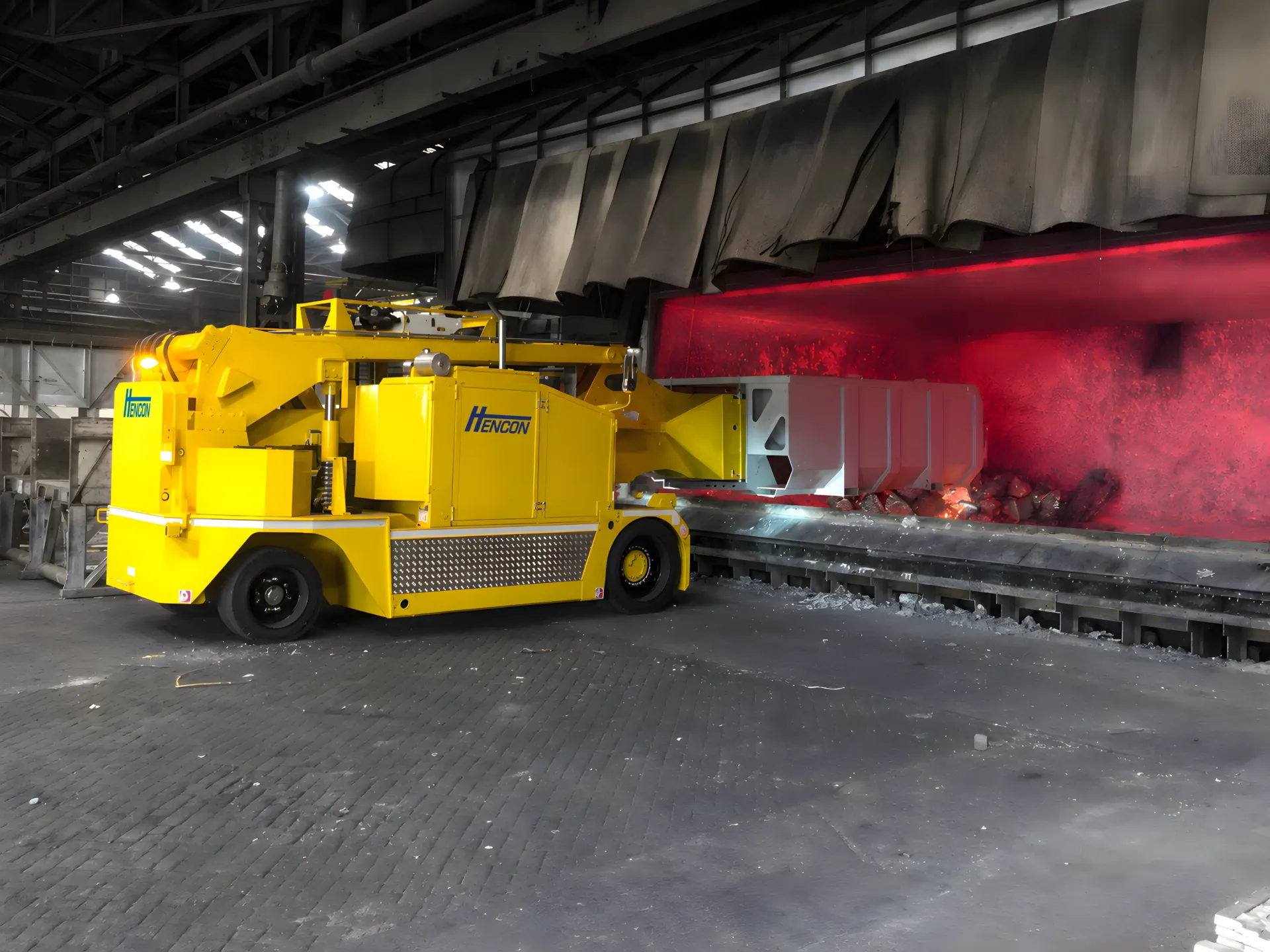
In many aluminum plants, increasing numbers of AGVs are being used to transport anodes and ladles with liquid aluminium in the electrolysis hall, where casthouse automation typically involves scrap charging, furnace tending and material handling. The AGVs navigate autonomously through the hot and dusty environment, keeping workers at a safe distance from hazardous zones. They also improve efficiency by working faster and more precisely than manual systems.
Conclusion
Implementing AGVs in the aluminum industry is not just a step toward greater efficiency, but also a way to improve employee safety. By keeping people out of risky areas and ensuring predictable, controlled movements, AGVs make the workplace significantly safer.
Download the whitepaper and discover how AGVs can improve safety in your aluminum plant.
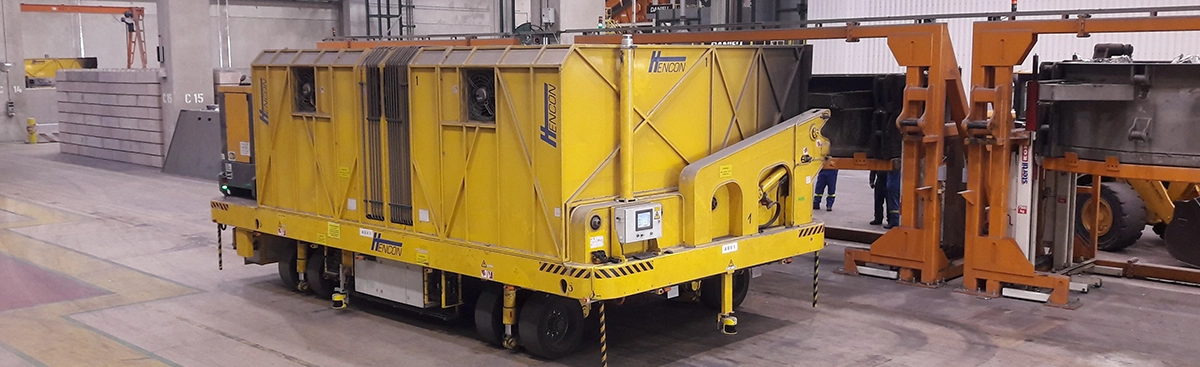
Download the white paper
In our comprehensive whitepaper, you’ll discover how AGVs can help you overcome the challenges of manual logistics and unlock new levels of productivity. Gain valuable insights into:
- Real-world simulation results showing the cost savings and safety improvements from AGV implementation.
- A detailed step-by-step roadmap to successfully integrate AGVs into your aluminum production.
